Service Hotline
+86-15192987730Service Hotline
+86-15192987730
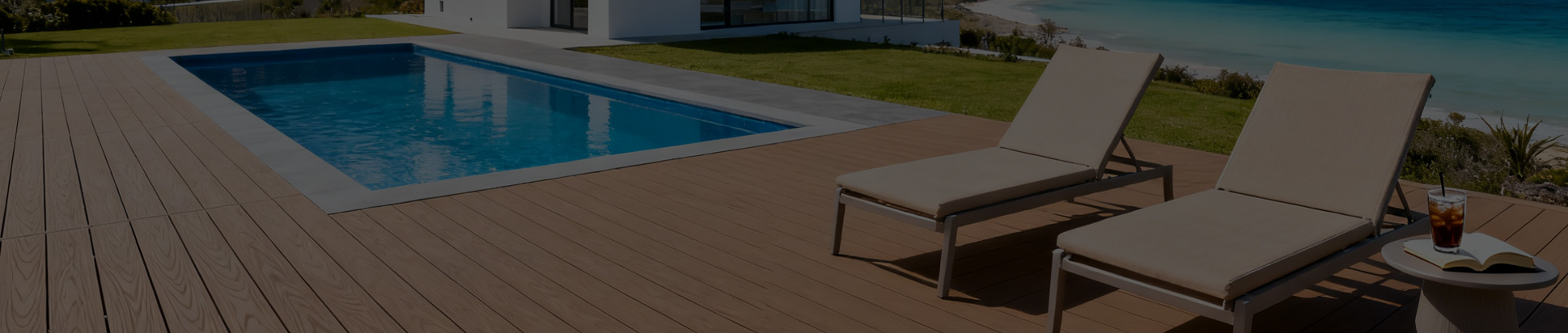
PVC flooring
It is commonly referred to as plastic wood. This decorative wood is made from recycled plastic or new materials. It is usually single resin polyethylene (HDPE and LPDE), polystyrene, or polyvinyl chloride (PVC). PVC plastic flooring appeared in the building materials market in the late 1980s. And the size is similar to traditional wood.
WPC flooring
Wood plastic flooring is different from plastic flooring. It is made of recyclable plastic and wood fibers. In many cases, the majority of plastic used comes from recycled materials. Plastic flooring is just plastic, although it can contain various additives to resist sun damage, scratches, and weather.
In wood plastic flooring, polypropylene or polyethylene plastic is connected to wood fibers to form a strong bond. They also help create textured surfaces, with colors closer to wood than PVC flooring. In addition to decorative purposes, wood plastic flooring has other uses. Including decorative panels, railings, outdoor furniture, wall panels, and fences.
Wood plastic flooring has high durability. Due to the non absorbent nature of wood plastic materials, they are durable and long-lasting. Because it does not contain organic matter, it will not rot. Unlike wood, wood plastic flooring does not require polishing or re dyeing. This means that after installing the plastic wood flooring. You don't need to spend a lot of time on maintenance to enjoy the convenience brought by wood plastic flooring.
Co extruded wood plastic flooring
The co extruded wood plastic flooring adopts four sided covering technology, which has better scratch resistance. And excellent resistance to sunlight, stains, mold, and bacteria. Has excellent resistance to sunlight, stains, mold, and bacteria.
Co extruded wood plastic flooring benefits from a unique coating formula. There is no unwelcome plastic feel like PVC flooring. Meanwhile, the unique coating technology provides you with an additional tactile experience. It has the characteristics of anti-static, comfortable and soft, and low thermal conductivity.
Advantages and disadvantages of wood plastic flooring
Advantages of Wood Plastic Panels
Can be shaped into many different shapes and sizes
Waterproof, anti-corrosion, anti mold, no need for sealant sealing
Has anti fouling properties for many chemicals and substances
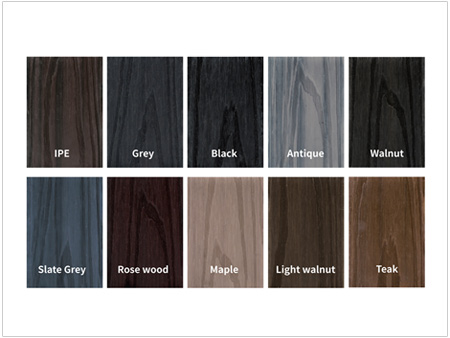
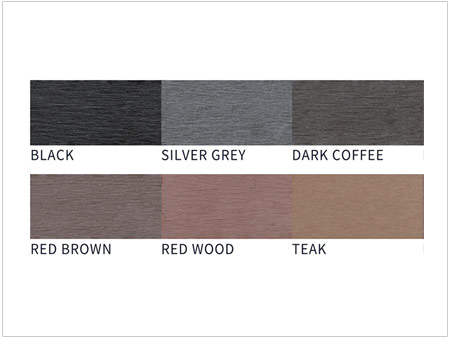
Rich variety of colors
UV resistant and fade resistant
Free from toxic chemicals such as formaldehyde
Will not split or crack
Excellent insect resistance performance
100% recyclable
Easy to install
Disadvantages of Wood Plastic Panels
Up close, it feels a bit plastic like
Uniform texture
Cannot dye or paint (even if you want to)
Easy to install
Plastic wood flooring can be cut and drilled like wood. No special tools are required. In addition, it can be fixed to the keel with screws like a wooden floor. Therefore, you can install plastic wood flooring with your own hands. Many types of plastic wood flooring come with hidden fasteners. This type of fastening allows fasteners to be hidden beneath the floor. Make sure there are no screw heads on the top of the floor. It avoids screws and other accessories affecting the overall appearance of the deck.
In addition, remember to leave 8mm of expansion space for the plastic wood flooring. More importantly, please carefully read the manufacturer's installation instructions before installation.
Cost of Plastic Wood Flooring
The cost of plastic wood flooring and plastic flooring is higher than that of wooden decorative panels. Compared to wooden flooring, the maintenance cost of plastic wood flooring is very low. And it has a longer service life. So in the long run, choosing plastic wood flooring is more suitable.
Accurately compare the cost of wooden flooring. Considering the cost of regularly repairing wooden flooring. In most cases, wooden flooring should be re dyed or sealed every two to three years. The total cost of materials, if you do it yourself, will also add up labor or time.